

How To Install Android Os On Raspberry Pi
While you can remotely fix up and run Raspberry Pi without a monitor or an ethernet cable, you lot will need a host of wired accessories if you choose to install Android on your Raspberry Pi 4 board. So in this article, we bring yous a detailed guide on how to install Android on Raspberry Pi four and 3. Nosotros take also mentioned a manner to run the Android 11 build on Raspberry Pi, but for stability and skilful performance, nosotros accept called to stick with Android ten. With that in heed, let's go alee and larn how to run Android on Raspberry Pi 4 and RPi 3.
Install Android on Raspberry Pi 4 & 3 (2022)
This is an all-in-1 guide for both beginners and experts to get Android running on Raspberry Pi. I would propose you closely follow the step-past-footstep instructions, and you lot volition have Android running on your board in no time.
Basic Requirements
1. You will need a separate monitor to set and install Android on Raspberry Pi.
ii. HDMI cable based on your board. Raspberry Pi iv will need a micro HDMI to HDMI cablevision whereas Raspberry Pi three will require an HDMI to HDMI cable.
2. A microSD bill of fare having free space of 16GB or more.
3. Keyboard and mouse. If you take a wireless philharmonic one, that's fifty-fifty amend.
4. A power adapter depending on your board.
Essential Downloads
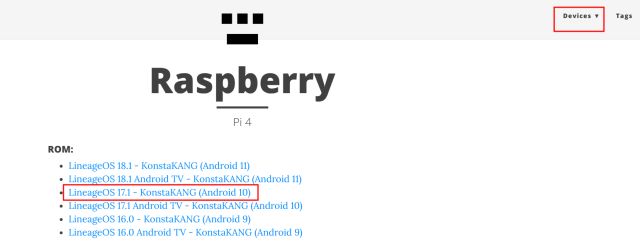
1. Kickoff of all, download Android for Raspberry Pi. A programmer named KonstaKANG is pop for making Android ROMs for Raspberry Pi 3 and iv. The ROMs are based on Lineage OS and bachelor in many versions, including Android 9, 10, and eleven. Depending on your board, download any Android version, merely I would recommend Android 10 for stability. You lot tin click here to head over to the download folio for RPi 4. If you want to download Android for RPi3, click on the Devices menu at the top-right corner.
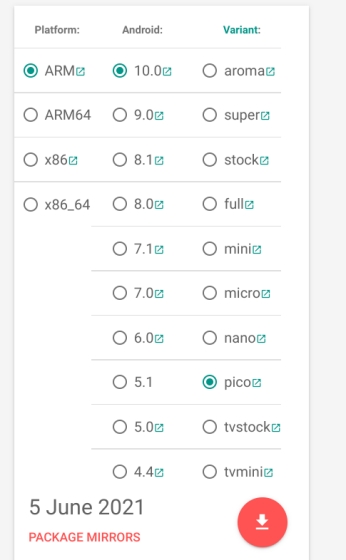
2. Next, you need to download the GApps package as the Android build does not come with Google apps and services. Open this link and choose "ARM" and "Android ten" as we are installing the Android 10 build and "pico" as it's the blank minimum required for running Google Play Services.
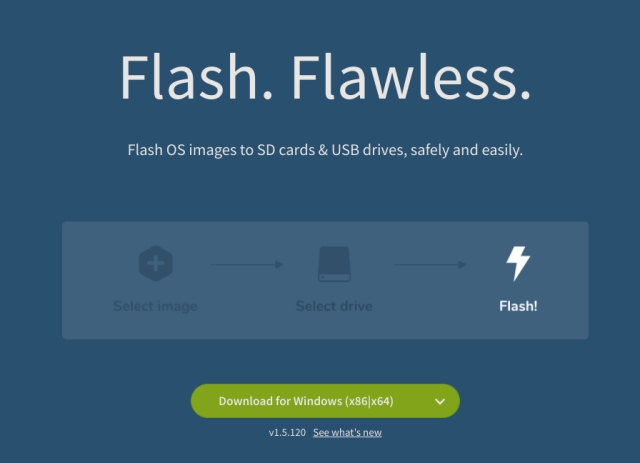
three. Next, you need to download balenaEtcher (Free) to flash Android onto the SD card.
Install Android on Raspberry Pi
1. Once you accept downloaded the Android build, extract it, and y'all will get an IMG file.
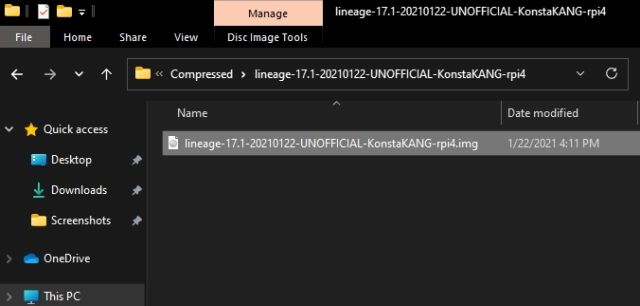
2. Next, open balenaEtcher and select the Android IMG file. In my case, information technology's an Android 10 build. Later on that, choose the SD card and click on "Flash!".
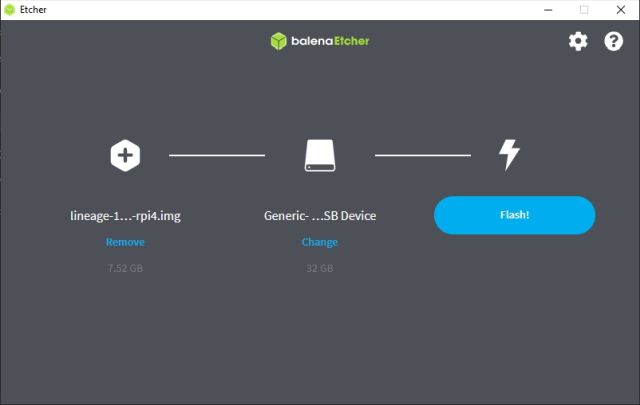
3. Once the flashing process is complete, remove the SD card and insert it into the Raspberry Pi module. In improver, connect a mouse and keyboard. Finally, connect the ability source and HDMI cable to the monitor.
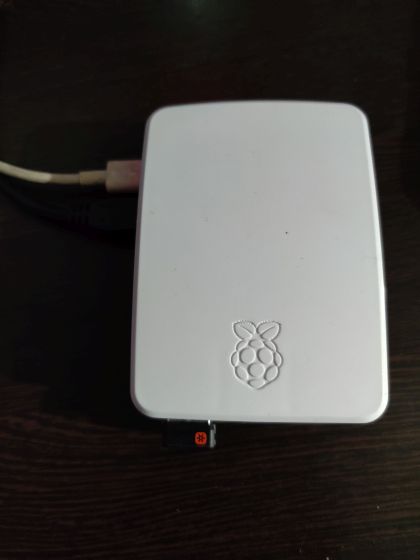
four. Ability up the Raspberry Pi, and you volition find Lineage OS loading upwards on the screen within a few seconds.
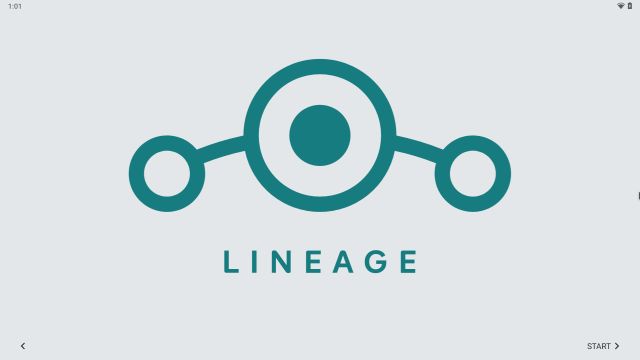
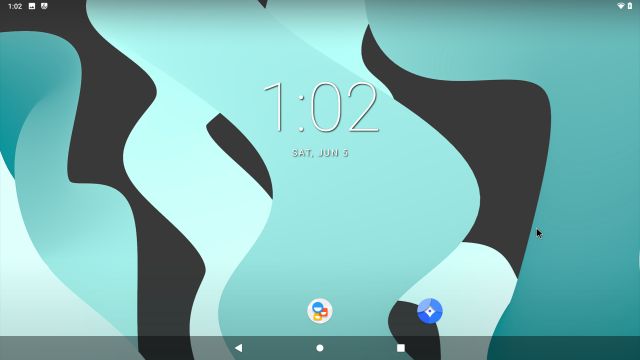
5. After a while, you will exist greeted with the usual Android setup process. Follow the on-screen instructions and brand sure to connect to a Wi-Fi network.
Install Google Play Shop and Services on Android-based Raspberry Pi
1. Now that you have installed Android on Raspberry Pi, it's fourth dimension to add together support for Google Play Store and other services. Use a USB drive and motility the GApps package to Raspberry Pi from your computer. I tried downloading the GApps bundle directly on the Raspberry Pi, simply that didn't work. If y'all can download it on the board itself, it will be easier for you.
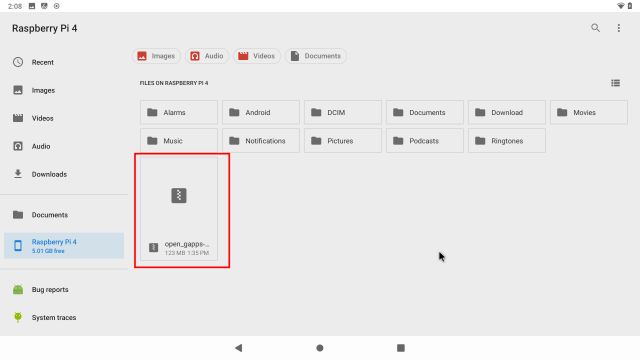
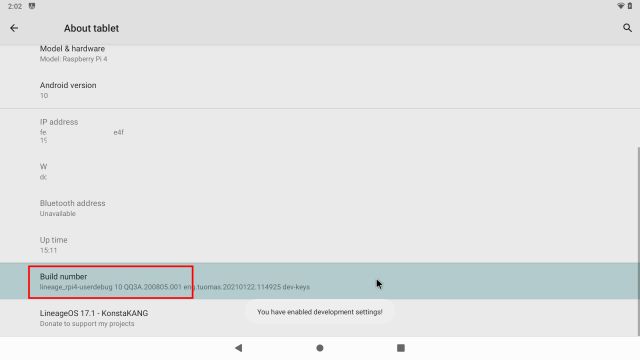
2. Once yous have moved the GApps package to the lath, open Settings and motility to "About tablet". Here, click on "Build Number" 7-8 times continuously to unlock Developer Options. You tin search for "build" on the Settings folio if "Virtually tablet" does non appear on the settings page.
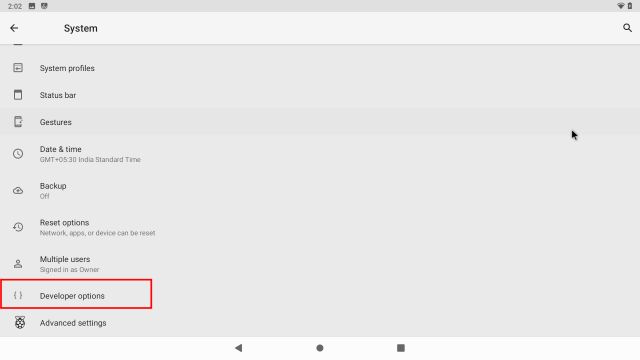
3. Now, move back to the master Settings menu and navigate to System -> Avant-garde -> Developer Options.
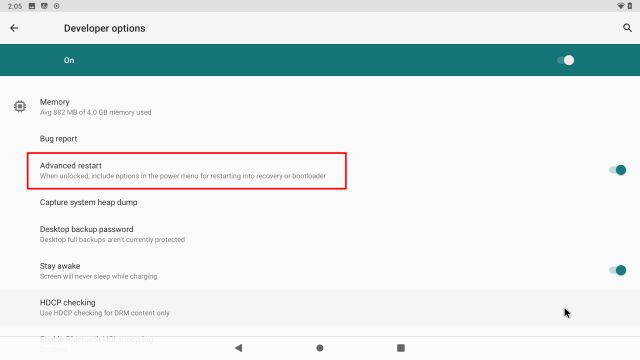
4. Next, turn on "Avant-garde Restart".
v. At present, to restart Android on Raspberry Pi, you need to printing and hold the "F5" fundamental on the keyboard. Then, click on "Restart" and choose "Recovery".
Note : Some keyboard shortcuts for Android on Raspberry Pi are every bit follows: F1 = Home, F2 = Back, F3 = Multi-tasking, F4 = Card, F5 = Ability, F11 = Book downwardly, and F12 = Volume up.
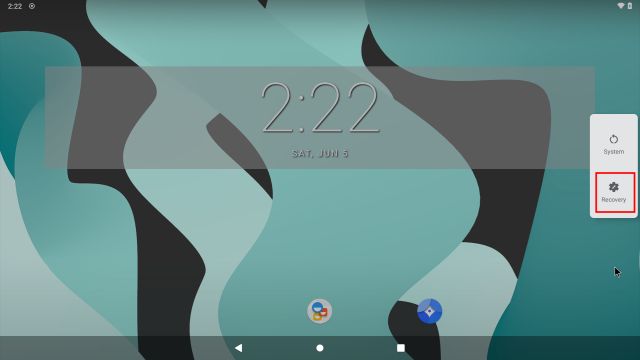
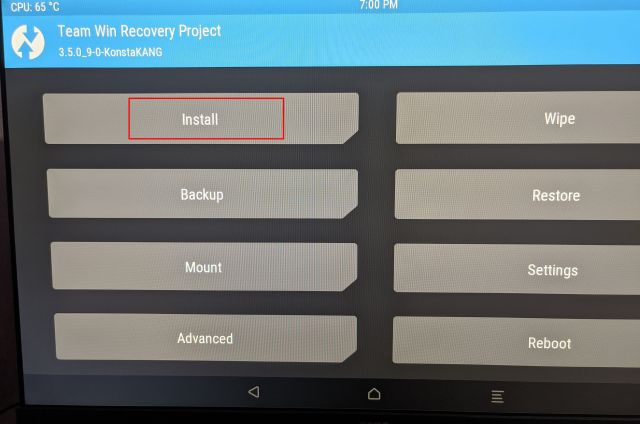
half-dozen. You will now boot into the TWRP recovery. If prompted, click on "Swipe to Permit Modifications". Subsequently that, click "Install".
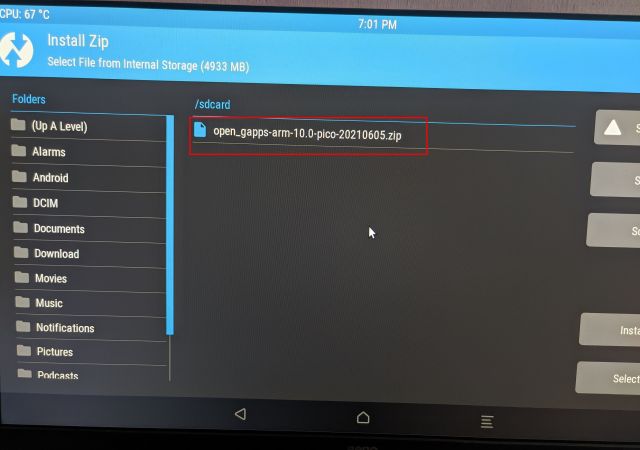
seven. Here, choose the GApps parcel that we transferred to the Raspberry Pi lath.
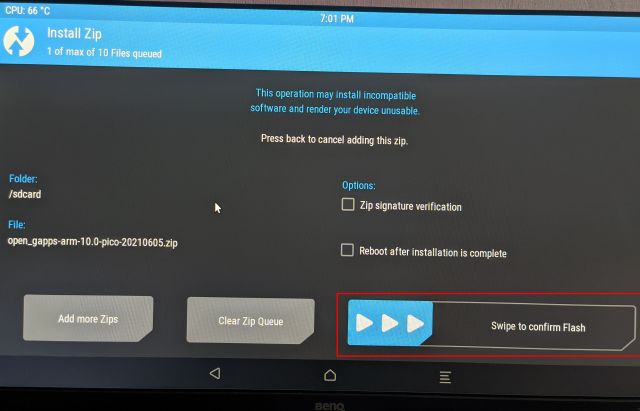
viii. Finally, click on "Swipe to ostend Flash".
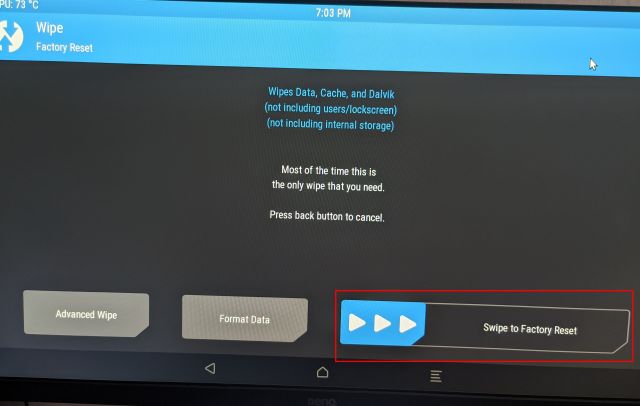
9. Now, click on the TWRP icon on the meridian-left corner, and it will accept yous to the main menu. This time, navigate to Wipe -> Swipe to Factory Reset.
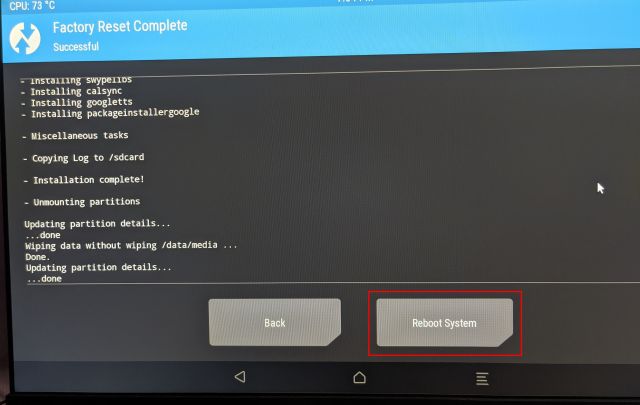
10. Once the reset is complete, click on "Reboot System" on the aforementioned page.
eleven. And voila! You will boot directly into Android on your Raspberry Pi. And this time, you will be prompted with the Google setup. Now, go alee and follow the on-screen instructions to log into your Google account. I suggest you lot not to add together your chief Google account as Google has been terminating accounts for unknown policy violations of late.
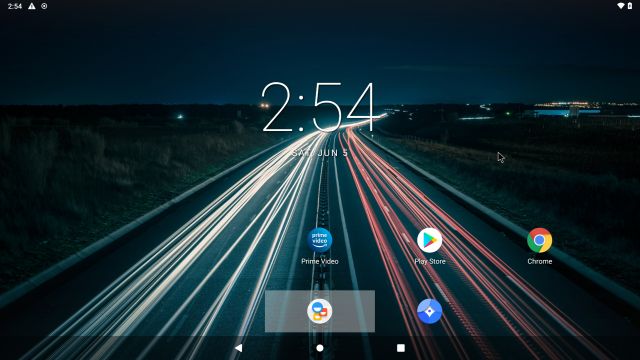
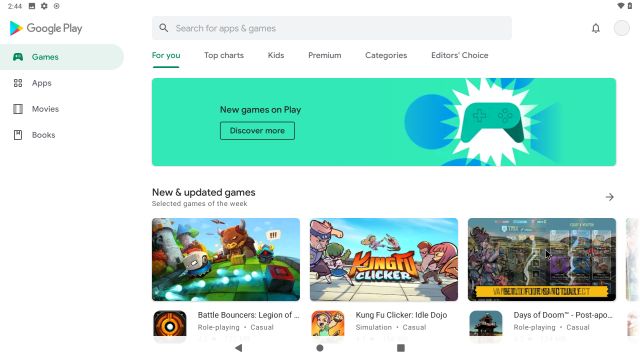
12. So hither information technology is. Google Play Store and all the Google services are now installed on Raspberry Pi and working absolutely fine. In instance you are getting a "Device is not Play Protect certified" notification or some apps like Netflix are non available for download, follow the steps beneath to fix this issue.
Set "Device is not Play Protect certified" Error on Android-based Raspberry Pi
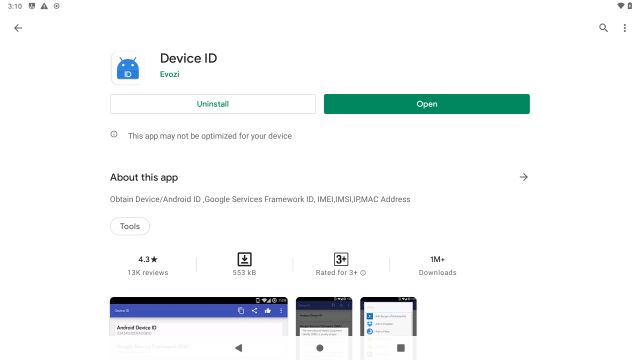
If you are getting this error on your Android-based Raspberry Pi, at that place is nada to worry about. You can manually enroll your Android-based Raspberry Pi on Google's listing of certified devices. To begin with, install the Device ID app by Evozi (Play Shop/ APKMirror) on Raspberry Pi. If Play Store is non opening for you, y'all tin sideload the Device ID APK from APKMirror.
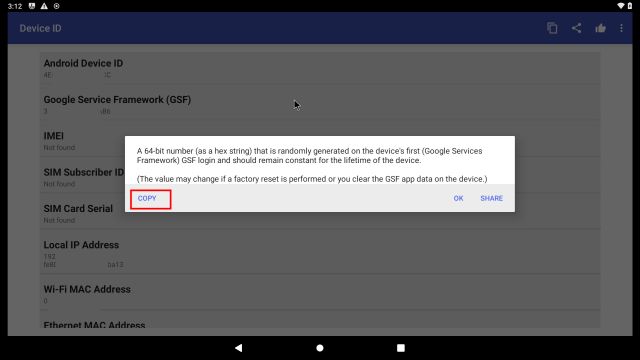
2. Next, open the Device ID app, and information technology volition brandish the code for Google Service Framework (GSF). Click on information technology and "copy" the code.
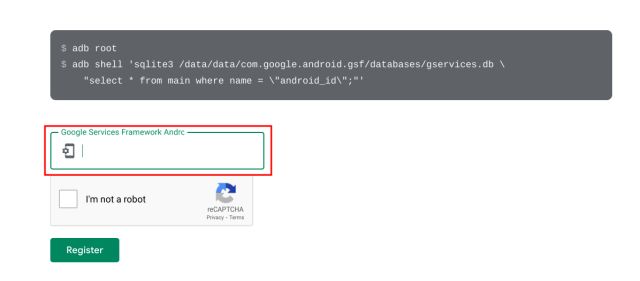
3. Now, open google.com/android/uncertified on your Raspberry Pi and paste the GSF code. Later that, click on "Register". That's all you need to exercise to prepare the "Device is non Play Protect certified" error. At present, expect for five-10 minutes, and the notification should be gone. You will be able to access the Google Play Store and all its apps on your Raspberry Pi 4.
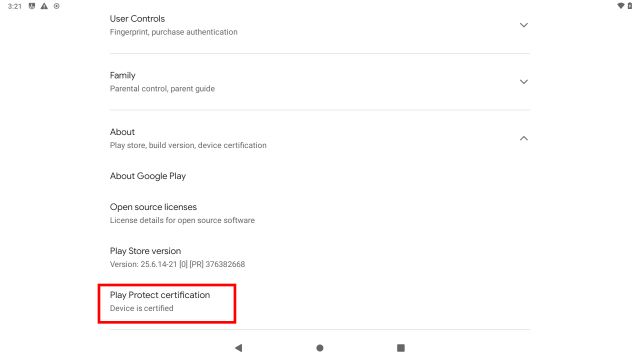
iv. If it's withal not working, restart your Android-based Raspberry Pi. Printing and hold the F5 key and click on Restart -> Arrangement. This fourth dimension, the error should exist gone. Yous can check your device certification from the Play Shop -> Contour card on the meridian-right corner -> Settings -> About -> Play Protect certification. Here, it should show the "Device is certified".
Run Android on Raspberry Pi Without Any Restrictions
So that is how yous can install and run Android on a Raspberry Pi. In this guide, I take called KonstaKANG'south Android build as information technology offers more stability and has wider support for older Pi boards. In instance you desire to run the latest Android 11 build, check out recently released OmniROM builds. That said, information technology's only uniform with RPi 4, featuring at least 4GB of RAM. Just the skillful part is that information technology comes preloaded with Google services.
And so for more such interesting tutorials on Raspberry Pi, stay tuned with usa. And if you want to use your Raspberry Pi to ready Pi-pigsty, we have a dedicated guide that provides the instructions from scratch. Finally, if y'all have any questions, comment them downwards below and let us know. Nosotros will endeavor to assistance you out.

Source: https://beebom.com/how-install-android-raspberry-pi/
Posted by: mcfaddenfunce1977.blogspot.com
0 Response to "How To Install Android Os On Raspberry Pi"
Post a Comment